Thud Sound Effects: 20 Royalty-Free Thuds, Thumps & Impacts

Quick answer: a thud sound effect is a short, low-to-mid-frequency impact sound with very little sustain. It usually suggests weight: a body hitting the floor, a fist landing, a door being pounded, a monster step, a dropped object, or a soft UI/game impact.
Use the player below to preview and download 20 royalty-free thud sound effects for film, video, games, trailers, podcasts, and social edits. The pack includes soft thuds, heavier impacts, muffled body hits, wood and metal contact, and low cinematic thumps that can sit under a cut without stealing the scene.
If you came here looking for a thud sound effect MP3, download the zip first, then export the sound you choose to MP3 from your editor if your delivery platform needs that format. For editing and sound design, keep a full-quality file in your timeline as long as possible.
What is a thud sound effect?
A thud is the sound of an impact that is heavy, dull, and short. Unlike a crash, it does not ring for long. Unlike a slap, it has less high-frequency snap. Most thuds live in the low and low-mid range, which is why they feel physical even when they are quiet.
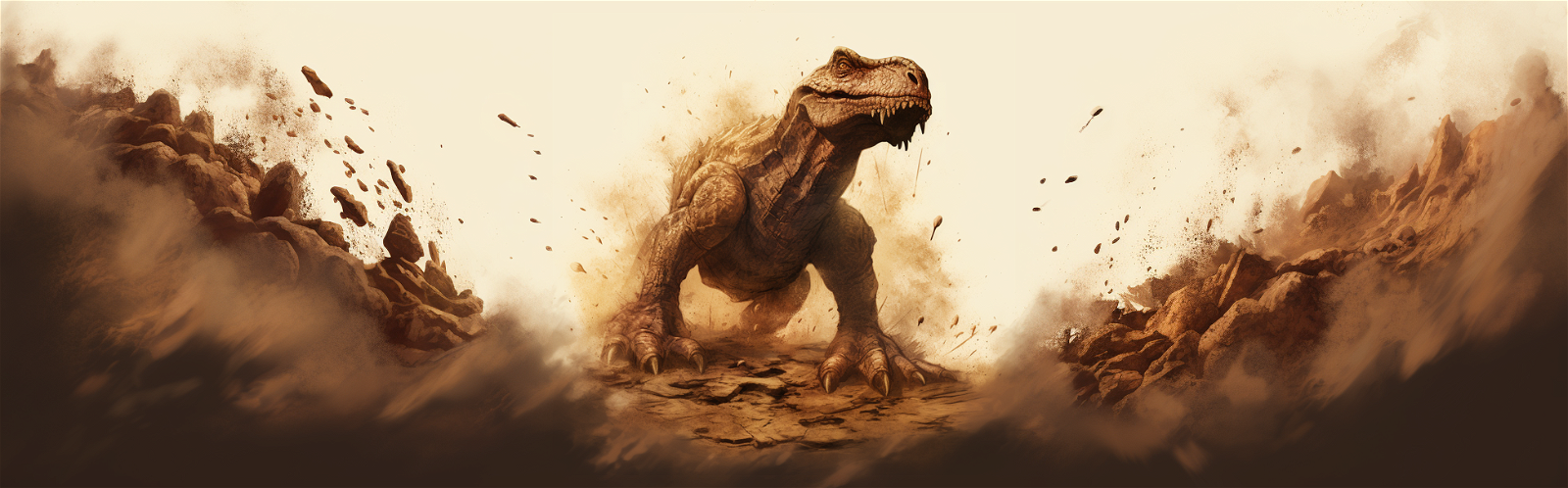
In sound design, thuds are useful because they tell the audience that something has mass. A tiny thud can make a phone drop feel real. A deep thud can make a dinosaur footstep, superhero punch, or trailer title card feel enormous.
Download the right thud for the scene
Before you choose a file, decide what the audience needs to feel: weight, danger, comedy, distance, or contact. The same basic impact can change meaning when it is filtered, pitched, layered, or placed in a different room.
| Use case | Best thud style | Sound design note |
|---|---|---|
| Body fall or fight hit | Muffled body thud | Layer a short cloth or skin contact sound above the low impact. |
| Monster footstep | Deep stomp with sub weight | Add room shake, debris, or a delayed low hit for scale. |
| Door pound | Wood or metal thud | Keep some midrange so the surface is recognizable. |
| Trailer title card | Cinematic thud with reverb | Let the tail breathe, but fade it before the next hit. |
| Game or app feedback | Soft thump or thunk | Shorten the transient so it feels responsive, not distracting. |
If you are choosing quickly, start with the job the thud needs to do:
- Weight: use rock drops, body falls, or low impacts when the object needs mass.
- Surface: use wood, metal, cloth, or dirt details so the hit belongs to the scene.
- Scale: use cinematic low hits only when the picture supports something larger than life.
- Repeatability: use short, varied thuds for games, footsteps, UI feedback, and repeated knocks.
Thud vs thump vs thunk: which word should you search?
Thud usually means a dull, weighty impact. Thump often feels rounder and more rhythmic, like a heartbeat, footstep, bass hit, or repeated knock. Thunk suggests a harder object with a little more midrange character, like wood, plastic, a latch, or a hollow object landing.
When a search is not giving you the right sound, try the neighboring terms: heavy thud sound effect, soft thud sound effect, thump sound effect, body fall thud, door thud, punch impact, cinematic impact, or low hit.
How thud sound effects are used in film, TV, and games
Thuds can be diegetic, meaning characters could hear them inside the world of the scene, or non-diegetic, meaning the sound is added for the audience's emotional experience. Good editors often blend both: a realistic impact for believability and a deeper sweetener for feeling.
Jurassic Park and Jumanji: stomping thuds and stampeding monsters
Tension builds in Jurassic Park before the T. rex is fully visible. The low, repeated footstep thuds tell us the animal is huge before the frame does. The same idea works whenever something dangerous approaches from offscreen.
Stampedes are a rolling version of the same idea. In Jumanji, repeated impacts build into a wall of movement, with rattling objects adding small high-frequency details that make the room feel reactive.
Harry Potter: door-pounding thuds
Door thuds need enough low end to feel forceful, but enough midrange to identify the surface. In this Harry Potter scene, the repeated knocks are not just impacts. They announce a character before he enters.
Inception: non-diegetic cinematic thuds
Some thuds do not belong to an object onscreen. In Inception, deep hits and pulses help the edit feel architectural and dreamlike. This kind of thud is closer to score than foley: it shapes rhythm, expectation, and scale.
The Matrix: punches, kicks, and body slams
Fight thuds are rarely just one sound. A punch might combine a cloth movement, a skin slap, a short crack, and a low body impact. The trick is to make the hit feel powerful without turning every contact into the same oversized boom.
Minecraft and games: soft thuds for feedback
Game thuds often need to be shorter and more repeatable than film thuds. A block placed in a game, a menu selection, or a small character landing can use a gentle thump that confirms action without exhausting the player.
A Quiet Place: tiny thumps and suspense
Quiet thuds can be more frightening than loud ones when the mix has space around them. In suspense scenes, a restrained footstep, object bump, or distant knock can become the loudest idea in the room because the audience is listening for danger.
How to make a convincing thud sound effect
1. Record a real impact
Start with simple sources: a pillow dropped on a rug, a shoe stomp, a fist into a couch cushion, a backpack landing, a book hitting carpet, or a rubber mallet against wood. Record a few distances so you have close detail and room tone.
2. Remove the distracting top end
A thud is usually dull, so roll off brittle highs if the sound feels clicky. Do not remove every transient, though. A tiny bit of attack tells the ear when the impact happens.
3. Add weight with pitch and layers
Pitch one copy down for mass, then blend it under the original. For very large hits, add a short sub impact or low drum, but keep it controlled so the thud still matches the object onscreen.
4. Match the room
A thud in a bedroom should not ring like a warehouse. Use short room reverb for interiors, longer tails for cinematic hits, and almost no reverb for tight UI or game feedback.
5. Keep the volume honest
The biggest mistake is making every thud enormous. Mix for story hierarchy: a monster footstep can dominate, a phone drop should sit under dialogue, and a UI thump should be felt more than noticed.
Related sound effects to layer with thuds
Thuds often work best when layered with nearby families of sounds. For more options, try our punching sound effects, door slamming sound effects, dramatic sound effects, glass breaking sound effects, and footstep sound effects.
Thud sound effect FAQ
What makes a sound a thud?
A thud is a short, dull impact with more low and low-mid energy than high-frequency detail. It usually suggests weight, softness, or distance.
Is a thud sound effect royalty-free?
The sounds in the player on this page are royalty-free for use in your projects. Always check the license when downloading thuds from other libraries, because free download does not always mean commercial use is allowed.
What is the difference between a thud and a thump?
A thud usually feels heavier and duller. A thump is often rounder, softer, or more rhythmic, like a heartbeat, bass hit, or repeated footstep.
How do I make a thud sound heavier?
Pitch it down slightly, layer a low impact underneath, reduce harsh high frequencies, and add only enough reverb to match the space. If it becomes boomy, lower the sub layer and shorten the tail.
Can I use thud sounds in games?
Yes. For games, choose shorter thuds with clean starts and minimal tails so repeated actions stay responsive. Use variations so footsteps, landings, and UI impacts do not sound identical.
For faster sound editing, Audio Design Desk can help you search, sync, replace, and audition royalty-free foley, impacts, footsteps, and cinematic hits directly against picture.